Djibouti
Travel Information

Where Africa Meets the Red Sea

A small yet extraordinary country in the Horn of Africa, with a population of 1.1 million, a proud Islamic heritage, and some of the world's most dramatic landscapes.

CapitalDjibouti City
Population1.1 Million
CurrencyDjiboutian Franc (DJF)
TimezoneGMT+3
Djibouti

Djibouti

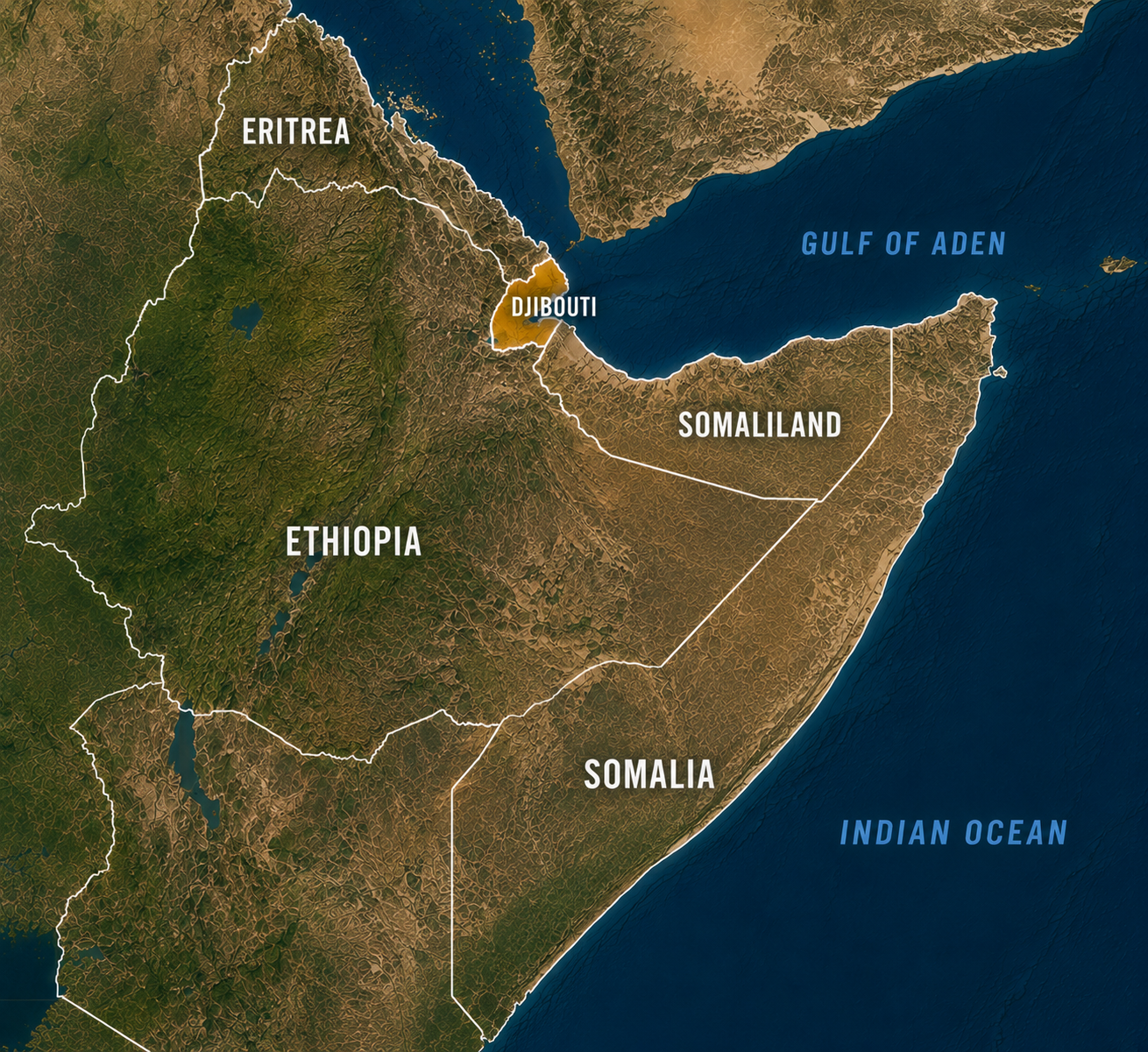
Djibouti is a strategically located country at the crossroads of Africa and the Middle East, where the Red Sea meets the Gulf of Aden. For centuries, its position has made it a natural meeting point for trade, cultures, and civilisations. The country sits on one of the world's most active geological zones, where three tectonic plates converge, creating a landscape unlike anywhere else on Earth — volcanic terrain, vast lava fields, salt flats, and rift valleys. Iconic highlights include Lake Assal, the lowest point in Africa and one of the saltiest lakes on Earth, and Lake Abbe, famous for its towering limestone chimneys and flocks of flamingos. Despite its small size, Djibouti offers exceptional travel experiences, from desert expeditions and volcano trekking to world-class diving, snorkelling, and seasonal whale shark encounters. It remains one of the most unique and least-explored destinations in the Horn of Africa.

Djibouti
Djibouti

Visa and Entry Requirements

All nationalities are required to apply for a Djibouti eVisa in advance before travelling. The application requires a valid passport, a passport-style headshot, a return ticket, and an invitation letter or confirmed hotel reservation. The visa fee is USD 25 and is typically processed within 3–5 business days. If you book a tour with us, we will fully assist you with the visa process and provide the required invitation letter.
Start your visa process
Safety & Security

Djibouti is one of the safest and most stable countries in the Horn of Africa, with calm tourist areas and welcoming locals. The country hosts several international military bases, meaning a large foreign community lives and works here comfortably. Travelling with a local guide for excursions outside the capital further enhances both safety and overall experience.

Money & Currency

The official currency is the Djiboutian Franc (DJF), though US Dollars are widely accepted throughout the country. While some hotels and businesses accept international cards, carrying cash is strongly advised, especially outside Djibouti City. For the smoothest experience, bring clean, undamaged USD notes as ATMs are limited in remote areas.

Best Time to Visit

The most comfortable time to visit Djibouti is between November and March, and it is better to avoid May to August as these are the hottest months. The whale shark season runs from November to February, with January being the most active time, making this period especially popular for marine experiences.

Dress Code and Culture

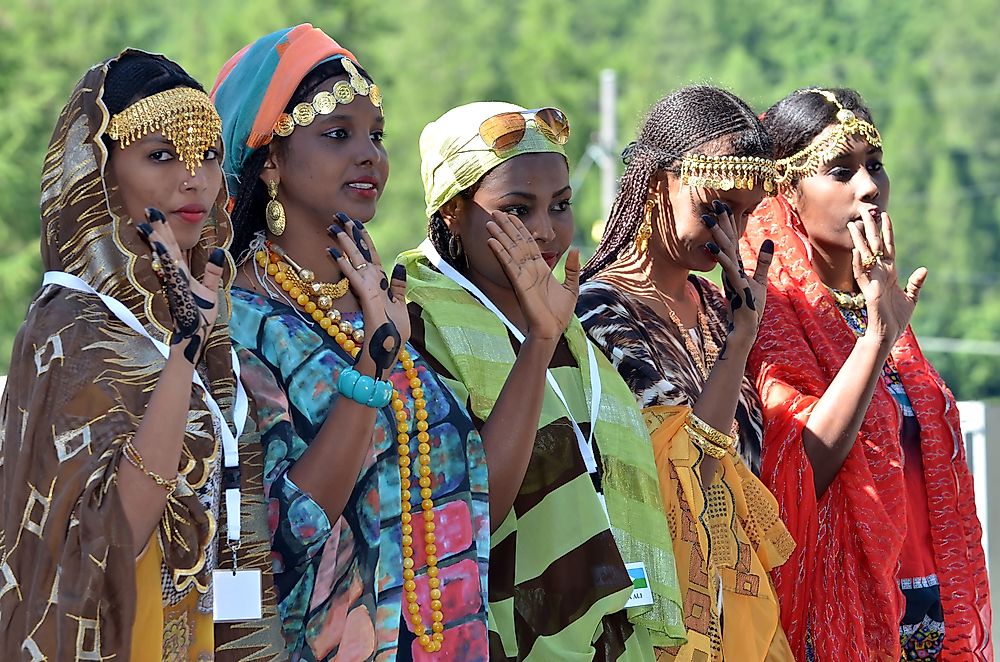
Djibouti is a Muslim country, and dressing modestly in public spaces is part of connecting with and respecting the local community. As there are many foreigners in the country, western clothes will not seem unusual however, lightweight clothing covering the shoulders and knees works well in the heat. Women may feel most comfortable in loose-fitting clothing with a hat for sun protection in warmer regions.

Photography & Filming Etiquette

Locals are incredibly friendly, and most will happily agree to a photo if you smile and ask first. In busy markets, showing people their pictures and making a polite request ensures everyone feels comfortable. Note that photographing military personnel, checkpoints, government buildings, or ports is strictly prohibited, and drones may be confiscated at the airport.

Getting to Djibouti

By Air

Djibouti–Ambouli International Airport (JIB) is the country's main international gateway. It offers direct flights from Africa, the Middle East, and Europe, making it one of the best-connected airports in the Horn of Africa.

  • Africa: Direct flights from Addis Ababa, Hargeisa, Mogadishu, Nairobi, Cairo, and Aden.
  • Middle East: Direct flights from Istanbul, Dubai, Doha, and Jeddah.
  • Europe: Direct flights from Paris.

Overland Arrivals

You can also enter Djibouti overland from Ethiopia or Somaliland. Most nationalities require a valid Djibouti eVisa before crossing.

  • Crossing via Galafi (Ethiopia): The main border crossing between Ethiopia and Djibouti. It is approximately a 4–5 hour drive from Djibouti City on a fully paved highway.
  • Crossing via Loyada (Somaliland): The main border crossing between Somaliland and Djibouti. It is around 40 minutes from Djibouti City and approximately 8 hours from Hargeisa to the border.

Frequently Asked Questions

Yes. Djibouti is one of the safest and most stable countries in the Horn of Africa. Tourist areas are calm and locals are welcoming. Travelling with a local guide for excursions outside the capital further enhances both safety and overall experience.

Absolutely. Djibouti is a dream destination for adventure travellers. From trekking volcanic landscapes and exploring salt lakes to world-class diving, snorkelling, and swimming alongside whale sharks, the country offers extraordinary experiences for those who love the outdoors.

The best time to visit is between November and March, when temperatures are cooler and ideal for outdoor activities and sightseeing. It is best to avoid May to August due to extreme heat. The whale shark season runs from November to February, with January being the peak month for encounters.

Yes. Djibouti–Ambouli International Airport (JIB) has direct connections from Addis Ababa, Hargeisa, Nairobi, Dubai, Istanbul, Doha, Jeddah, and Paris, served by airlines including Ethiopian Airlines, flydubai, Turkish Airlines, and Air Djibouti.

Yes. All nationalities must apply for a Djibouti eVisa in advance. The fee is USD 25, and processing typically takes 3–5 business days. If you book a tour with Horn Expeditions, we will assist you with the full visa process and provide the required invitation letter.

Photography of landscapes and natural attractions is freely allowed and encouraged. Always smile and ask permission before photographing locals, most will happily say yes. Photographing military personnel, checkpoints, government buildings, ports, or bridges is strictly prohibited. Drones are not permitted in Djibouti and may be confiscated at the airport on arrival.

Yes. Alcohol is available in selected hotels, restaurants, and licensed venues, mainly catering to international visitors and expatriates.

Yes. Solo travellers are welcome in Djibouti. Guided travel is recommended for excursions outside the capital and into remote areas, both for safety and to make the most of the experience.

The official currency is the Djiboutian Franc (DJF), and US Dollars are widely accepted. Major credit cards are accepted at larger hotels and some restaurants, but carrying cash is strongly recommended, especially outside Djibouti City. ATMs are available in the capital but scarce in remote areas.

Internet is widely available in Djibouti City, and most hotels offer Wi-Fi. SIM cards can be purchased at the airport or at telecom shops in the city. Coverage can be limited in remote areas. Horn Expeditions can also arrange a local SIM card for you in advance so you are connected from the moment you arrive.

The official languages are French and Arabic. Somali and Afar are widely spoken among the local population, and English is increasingly understood in the tourism sector. Learning a few basic phrases in French or Arabic goes a long way with locals.

Djiboutian cuisine is a wonderful blend of Somali, Afar, Yemeni, and French influences. Vegetarian options can be found in the good restaurants.

Must-See Attractions

Lake Assal

Africa's lowest point and saltiest lake

Lake Abbe

Surreal limestone chimneys at sunrise

Whale Sharks

Swim with gentle giants from October to February

Day Forest

Rare juniper forest national park

Moucha Islands

Pristine beaches and snorkeling

Ardoukoba Volcano

Recently active volcanic site

Whale Shark Season

Djibouti is one of the best places in the world to swim with whale sharks. These gentle giants visit the Gulf of Tadjoura from October to February.

Ready to Explore Djibouti?

Let us plan your perfect Djibouti adventure.